Don't Freeze! Fast Facts on Emergency Heating Repair in Graham, WA
Heater stopped working in Graham, WA? Get fast, reliable emergency heating repair in Graham, WA. Learn steps, causes, and find local pros.
Why a Working Heater is Critical in Graham, WA
When you need emergency heating repair in Graham, WA, every minute counts. Graham's Pacific Northwest climate brings damp, chilly winters with temperatures averaging 35-45 degrees Fahrenheit, and sudden cold snaps can turn a broken heater from an inconvenience into a genuine emergency.
If your heater just stopped working, follow these three immediate steps:
- Safety Check - If you smell gas, evacuate immediately and call 911. Never use your oven or outdoor equipment to heat your home.
- Basic Troubleshooting - Check your thermostat settings, circuit breaker, and air filter before calling for help.
- Call a Professional - Contact a licensed 24/7 emergency heating repair service if basic checks don't restore heat.
The good news? Most heating emergencies have clear causes and quick solutions when you know what to look for. Graham's high humidity levels can accelerate wear on heating components, and the region's rainy season from October through May puts extra strain on systems. Understanding the warning signs and knowing who to call can mean the difference between a quick fix and a freezing night.
Whether you're dealing with a furnace that won't ignite, strange noises from your heat pump, or a complete system breakdown during a cold snap, this guide will walk you through exactly what to do—from those critical first safety checks to finding reliable local help and preventing future failures.
First Steps: What to Do When Your Heater Suddenly Stops Working
Waking up to a broken heater on a freezing Graham night is more than uncomfortable—it's an emergency. Our top priority in any heating emergency is always safety. If you ever smell gas, that's your cue to evacuate your home immediately and call 911 from a safe distance. Gas leaks are incredibly dangerous and require immediate professional attention.
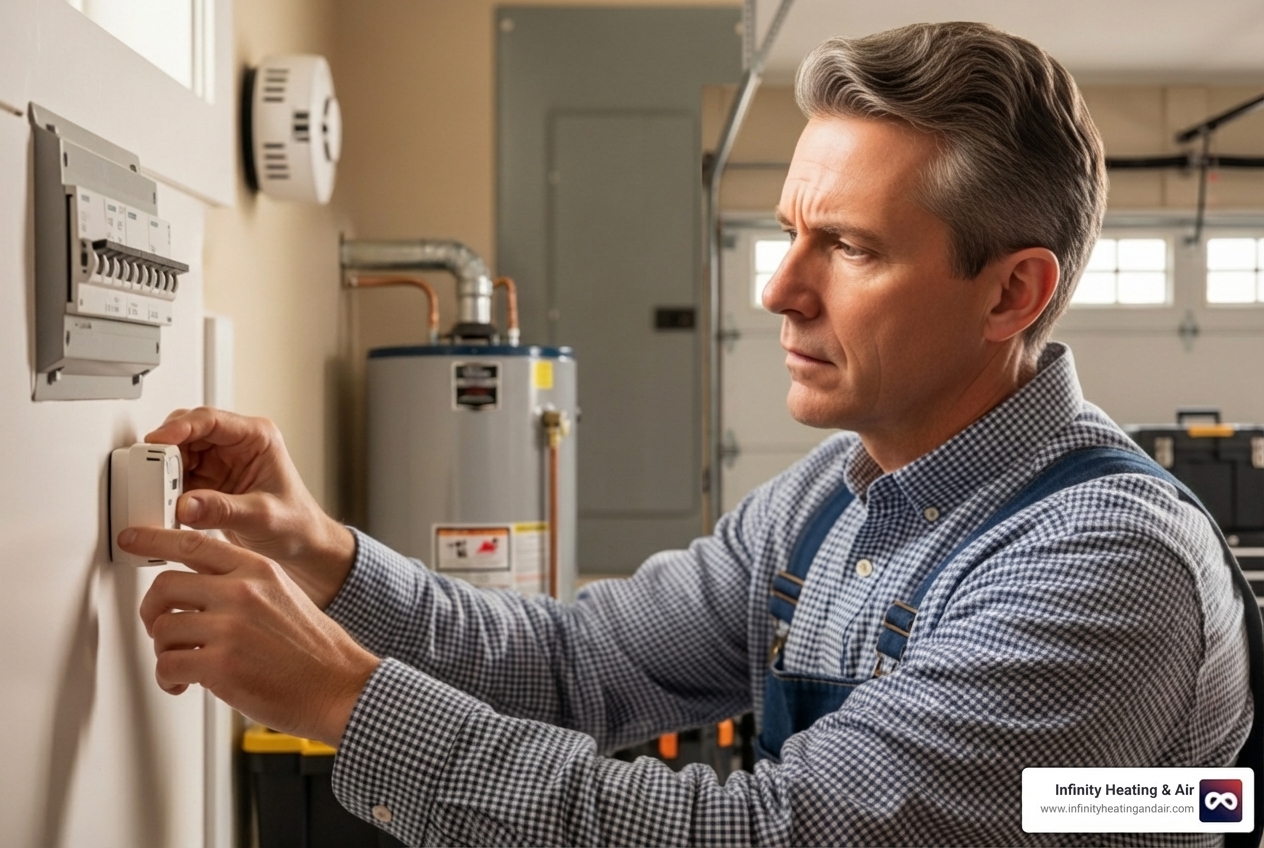
Likewise, be aware of the silent killer: carbon monoxide. This odorless, colorless gas can be deadly. Ensure you have working carbon monoxide detectors on every level of your home. If your heater is malfunctioning, especially a gas furnace, there's an increased risk of CO leaks. If your detector goes off, or if anyone in your home experiences symptoms like headaches, dizziness, or nausea, get fresh air immediately and call for emergency services.
And while it might be tempting to use alternative heat sources, we strongly advise against using your oven, gas range, or outdoor heating equipment (like propane grills or fire pits) to warm your home. These are not designed for indoor use and can lead to fire hazards, carbon monoxide poisoning, and other serious safety issues. Your family's comfort is our mission, and that starts with safety!
Basic Troubleshooting You Can Do Yourself
Before you panic and search for emergency heating repair in Graham, WA, there are a few quick checks you can perform. Sometimes, the solution is simpler than you think!
- Thermostat Checks: This is often the easiest fix. First, ensure your thermostat is set to "Heat" and that the temperature setting is actually above the current room temperature. It sounds obvious, but it's a common oversight! Next, check the batteries. Dead batteries are a surprisingly frequent cause of a "heater not working" call. If your thermostat is still acting up, it could be a faulty sensor or incorrect programming. For more detailed thermostat troubleshooting, check out our Heater Not Working Graham WA Guide.
- Power Issues: Your heating system needs electricity to run. Head to your electrical panel (usually in your garage, basement, or utility closet) and look for any tripped circuit breakers. These are typically switches that have flipped to the "off" position or are in a middle position. Firmly flip them all the way off, then back on. If it immediately trips again, don't keep resetting it – that indicates a more serious electrical problem requiring a professional. Also, check for a dedicated power switch on or near the furnace itself; sometimes these get accidentally turned off.
- Airflow Check: Good airflow is crucial for your heater's operation. First, take a look at your air filter. Is it clogged with dust and debris? A dirty filter can restrict airflow, causing your system to overheat and shut down as a safety measure. While you'll replace it later, a quick visual check can indicate if this is part of the problem. Also, ensure all supply and return vents throughout your home are open and unblocked by furniture, rugs, or drapes. Restricted airflow can lead to uneven heating and system strain.
Warning Signs and Common Causes of Heater Failure
Your heating system, like any hard-working appliance, often gives subtle hints before a major breakdown. Paying attention to these warning signs can help you catch issues early and potentially avoid a full-blown emergency heating repair in Graham, WA.
Telltale Signs Your Heater is About to Fail
- Strange Noises: Your heater shouldn't sound like a haunted house! Grinding, squealing, or banging noises are your heater's way of crying for help. These sounds often indicate worn-out mechanical parts, loose components, or issues with the blower motor or bearings.
- Unusual Smells: When you first turn on your heater for the season, a slight dusty smell is normal as accumulated dust burns off. However, persistent burning smells, metallic odors, or, most critically, a rotten egg smell (which indicates a gas leak) are serious red flags. If you smell gas, follow safety protocols immediately. Electrical smells can point to overheating wiring.
- System Behavior: Observe how your system operates. Is it constantly turning on and off, known as "short-cycling"? This could mean it's working too hard, possibly due to a dirty filter, thermostat issues, or an oversized system. Is the airflow from your vents weak, making your home feel perpetually chilly? Weak airflow means your system is suffocating. Are there noticeable cold spots in certain rooms while others are warm? This could indicate ductwork issues or a struggling blower. Finally, a sudden, unexplained spike in your utility bills without a change in usage is a clear sign your heater is losing efficiency and struggling to keep up.
Common Culprits Behind a Breakdown in Graham
Understanding the common reasons heaters fail can help you prevent them. In Graham, our unique Pacific Northwest climate, with its damp, chilly winters and high humidity from October through May, can contribute to accelerated wear on heating system components.
- Ignition System Failure: For gas furnaces, the ignition system is vital. If the pilot light is out (on older models) or the electronic ignitor fails (on newer ones), your furnace won't be able to light the burner and produce heat.
- Worn Mechanical Parts: Over time, components like the blower motor, belts, and bearings simply wear out. This is especially true for older systems that have been working hard for years. When these parts fail, the entire system can grind to a halt.
- Clogged Air Filters: This is shockingly common and one of the most preventable causes of breakdowns. A clogged air filter restricts airflow, forcing your system to work harder, which can lead to overheating and eventual shutdown. It also puts undue strain on the blower motor and can lead to premature component wear. Our damp climate can sometimes exacerbate filter issues, as dust and moisture combine.
How to Find and Prepare for Emergency Heating Repair in Graham, WA
When your heat goes out, you need help fast. But you also need a service you can trust. Finding a reliable emergency heating repair in Graham, WA is crucial for restoring comfort and safety to your home.
What to Look for in an emergency heating repair in graham, wa Service
When facing a heating emergency, here’s what we recommend looking for in a service provider:
- True 24/7 Availability: An emergency means it can happen anytime. Look for a company that offers genuine 24/7 emergency service, not just an answering machine. We understand that a broken heater doesn't keep business hours, which is why we offer around-the-clock support.
- Licensed and Insured Technicians: This is non-negotiable. Licensed technicians have the necessary training and expertise, and insurance protects you from liability in case of accidents.
- Positive Customer Reviews: Check online reviews and testimonials. What are other Graham residents saying about their experience? This provides insight into a company's reliability, professionalism, and quality of work.
- Local Expertise: A company familiar with Graham's specific climate and housing types will be better equipped to diagnose and repair issues efficiently.
- Comprehensive Services: Ensure they can handle your specific heating system, whether it's a furnace, heat pump, or boiler. Our Emergency HVAC Service ensures we're ready for any heating challenge.
The Benefits of Choosing a Local Graham HVAC Company
Choosing a local HVAC company for your emergency heating repair in Graham, WA offers distinct advantages:
- Faster Response Times: Local companies like ours have technicians already in or near the Graham area. This means we can often respond more quickly to your emergency call, potentially within a few hours or less, compared to companies based further away.
- Community Accountability: We live and work in this community. Our reputation matters directly to our neighbors. This often translates to a higher level of customer service and dedication to getting the job done right.
- Familiarity with Local Housing and Climate: We understand the nuances of Graham's homes, common heating system setups, and how our unique climate impacts them. This local knowledge can lead to quicker and more accurate diagnoses. Learn more about our local presence in Graham WA.
Preparing for the Technician's Arrival
When you call for emergency service, being prepared can make the entire process smoother and faster. Gather the following information before you make the call:
- Heater's Make and Model: This helps our technicians anticipate parts they might need.
- Approximate Age of the System: Older systems might have different common issues or require specialized parts.
- Detailed Description of the Problem: What exactly happened? What noises did you hear? What smells did you notice? When did it start? The more details, the better.
- Any Error Codes: If your thermostat or heating unit displays an error code, note it down. This is often a direct indicator of the problem.
The Big Decision: Repair vs. Replace and Associated Costs
When your heating system fails, especially during an emergency, you're faced with a critical decision: should you repair your existing unit or invest in a new one? This isn't always straightforward, but we're here to help you make an informed choice.
When to Repair vs. When to Replace Your Furnace
| Factor | Consider Repair When... | Consider Replacement When... |
|---|
We understand that a heating system breakdown can be truly stressful, especially in Graham's climate. Our goal is to provide fast, reliable emergency heating repair in Graham, WA, and get your home comfortable again as quickly as possible.
Written & reviewed by the Infinity Heating & Air team — licensed WA HVAC contractor (INFINHA841B8). Family-owned in Graham, answering 24/7 across the South Sound.
Choose Infinity & enjoy endless comfort.
Your perfect home environment awaits — call (253) 740-5135 or schedule service online and our team will take it from there.
Open 24/7 · 100% Satisfaction Guaranteed · Graham, WA