Passing a Graham Home Inspection: Why a Last-Minute Furnace Service Saves the Sale
Unresolved HVAC flags can delay closing. See what inspectors require for passing a Graham home inspection: why a last-minute furnace service saves the sale.
The Panic of the Inspection Addendum
If you are preparing to list your house this month, you should know the secret to passing a Graham home inspection: why a last-minute furnace service saves the sale is something every seller needs to understand before the buyer's financing window closes. Your house is under contract, the buyer's inspector has just wrapped up their walkthrough, and suddenly you are staring at a multi-page addendum demanding immediate mechanical repairs. While most sellers spend weeks obsessing over fresh paint, staging, and cosmetic landscaping, it is the home's hidden mechanical systems that actually derail real estate closings. A neglected heating system or an undocumented maintenance history immediately signals risk to a prospective buyer, prompting their lender to pause the entire transaction until professional documentation is provided.
For fast, reliable help clearing these hurdles, having a trusted partner for air conditioning services and heating diagnostics is the fastest way to keep your closing timeline intact.
The ticking clock of a real estate transaction leaves very little room for error. Buyer financing windows are incredibly tight, often requiring the seller to resolve all inspection flags within three to five business days. We see this exact scenario play out repeatedly during the busy August home-buying season. A seller assumes their heating equipment is fine because it ran perfectly last winter, only to find out the buyer's inspector has flagged the system for lacking a recent service record. Proactive or immediate professional attention to these systems is the single most effective way to satisfy the addendum, reassure the buyer, and save the transaction from falling apart at the eleventh hour.
Why Graham Inspectors Scrutinize Heating Systems in Late Summer
It often feels incredibly counterintuitive to sellers when a home inspector spends an hour testing a gas furnace during the warmest weeks of late summer. You might be running your cooling system at full blast, yet the inspector is meticulously checking the burner assembly and heat exchanger of your heating equipment. The reality is that inspectors are legally and ethically bound to ensure the home is habitable year-round, regardless of the current season.
In the Pacific Northwest, reliable heating is an absolute necessity for the majority of the year. Because our regional climate demands heavy furnace usage from October through April, local inspectors in the Graham WA real estate market will heavily scrutinize heating systems even in the middle of August. They know that a furnace failure during the first deep freeze of the winter is a massive liability, and they are trained to look for any signs that the equipment might not survive the upcoming cold season.
The Role of Documented Maintenance
One of the first things an inspector looks for when evaluating a mechanical room is a recent service tag hanging from the unit or a professional invoice left near the air handler. The lack of recent maintenance records is an automatic red flag for most inspectors. If they cannot verify that a licensed professional has evaluated the system within the last twelve months, they will almost always note it as a deficiency in their final report.
- Undocumented DIY maintenance is rarely accepted: Even if you change your own filters religiously and vacuum out the cabinet, buyers and their lenders want the assurance of a professional sign-off.
- Liability shifts away from the seller: An official service record from a licensed technician proves the equipment is operating safely, effectively removing the liability from your shoulders.
- Reassuring the buyer: Providing a clean bill of health prevents the buyer from demanding a hefty credit to replace the entire system.
Common HVAC Red Flags That Halt Real Estate Transactions
When an inspector evaluates a home's mechanical systems, they are looking for specific safety hazards and indicators of long-term neglect. Educating yourself on the issues they most frequently find can help you address them before the house ever hits the market, or at least prepare you for the inevitable addendum.
Minor neglect often leads an inspector to suspect major neglect. If they open the blower compartment and find a filter that has not been changed in two years, their immediate assumption is that the rest of the system has been equally ignored. This prompts a much deeper, more critical evaluation of the aging equipment. However, a professional tune-up can quickly prove that even an older system still operates safely and efficiently.
| Inspection Red Flag | What It Signals to the Buyer | The Professional Resolution |
|---|---|---|
| Clogged or extremely dirty air filters | General neglect of basic home maintenance tasks. | Replacing the filter and testing for proper static pressure and airflow. |
| Unusual noises during startup | Failing blower motor or worn-out internal bearings. | Lubricating moving parts and measuring motor amperage draw. |
| Rust or corrosion in the cabinet | Previous moisture issues or potential exhaust venting failures. | Performing a comprehensive safety inspection and cleaning the housing. |
Dirty Filters and Restricted Airflow
A dirty air filter is arguably the easiest item to fix in a home, yet it remains one of the most common causes of a failed mechanical inspection. Restricted airflow forces the system to work much harder to distribute treated air throughout the house, which can lead to overheating and premature component failure. To a buyer, a clogged filter indicates that basic upkeep was completely ignored, making them wonder what other maintenance tasks were skipped.
Heat Exchanger Concerns
The heat exchanger is the heart of a gas furnace, and inspectors will aggressively flag any signs of wear, rust, or soot buildup. A cracked heat exchanger allows deadly carbon monoxide to mix with the air circulating through the home's vents. Because this is a severe life-safety issue, any visual signs of degradation will result in an immediate demand for a licensed technician to perform a specialized safety verification.
The Silent Deal-Killer: Missing Water Heater Seismic Straps
While most sellers anticipate some scrutiny of their heating and cooling equipment, they are often completely caught off guard by a highly specific, regional plumbing code requirement. For a home equipped with a gas furnace and standard tank water heater, the absence of proper seismic strapping is a silent deal-killer that frequently halts transactions in their tracks.
Seismic strapping involves securing the water heater tank to the structural framing of the house using heavy-duty metal bands. This is not just a buyer preference or a suggestion for best practices; it is a mandatory code requirement in Washington state. The Pacific Northwest sits on highly active fault lines, and earthquake risks are a serious concern for structural engineers and building departments.
Washington State Building Code Requirements
Under Washington State Building Code regulations (specifically referencing WAC 51-56-0500), all water heaters must be strapped in the upper and lower thirds of the tank to resist seismic motion. If an earthquake strikes, an unsecured tank weighing several hundred pounds can easily tip over. This not only causes massive water damage but can also rupture the connected gas line, creating an immediate fire and explosion hazard.
Inspectors will immediately fail a tank without proper, code-compliant strapping. Fortunately, this stressful addendum item can be resolved incredibly quickly. A qualified professional can install the correct heavy-gauge strapping and secure it to the wall studs during a standard heating service visit, instantly bringing the home back into compliance and clearing the flag for the buyer's lender.
Expanding the Scope: Integrating Whole-System Testing
Fixing just the furnace or strapping the water heater might clear two items off the list, but it often leaves the cooling system vulnerable to buyer scrutiny. When dealing with a real estate transaction, it is always best to broaden the narrative and ensure the entire climate control ecosystem is cleared for the sale all at once.
During late-summer sales, buyers are acutely aware of the indoor temperature. If the inspector notes that the air conditioning is struggling to maintain the set temperature, the buyer will likely add cooling performance to their list of demands. Recommending a comprehensive approach to clear all mechanical addendums at once prevents you from having to schedule multiple contractor visits while the financing clock is ticking.
If your addendum includes cooling performance flags, scheduling professional AC inspection testing in Graham alongside your heating service ensures that no stone is left unturned before the final walkthrough.
Why Cooling Matters in the Addendum
Buyers want absolute assurance that the entire climate control system works exactly as intended. They are purchasing the home expecting immediate comfort, and they do not want to inherit a failing compressor or a leaking refrigerant line. By integrating a cooling check seamlessly into the heating service visit, you provide a comprehensive, bulletproof document that proves the entire home is operating at peak performance.
How a Relationship-Driven HVAC Partner Rescues the Timeline
There is a massive difference between a standard, slow-moving repair service and a team that prioritizes urgent real estate deadlines. When you are staring down a 72-hour window to clear an inspection addendum, you do not have time to wait a week for a contractor to fit you into their schedule. Real estate agents and sellers rely heavily on trusted contractors who understand the high-stress nature of property transactions and act urgently to save the deal.
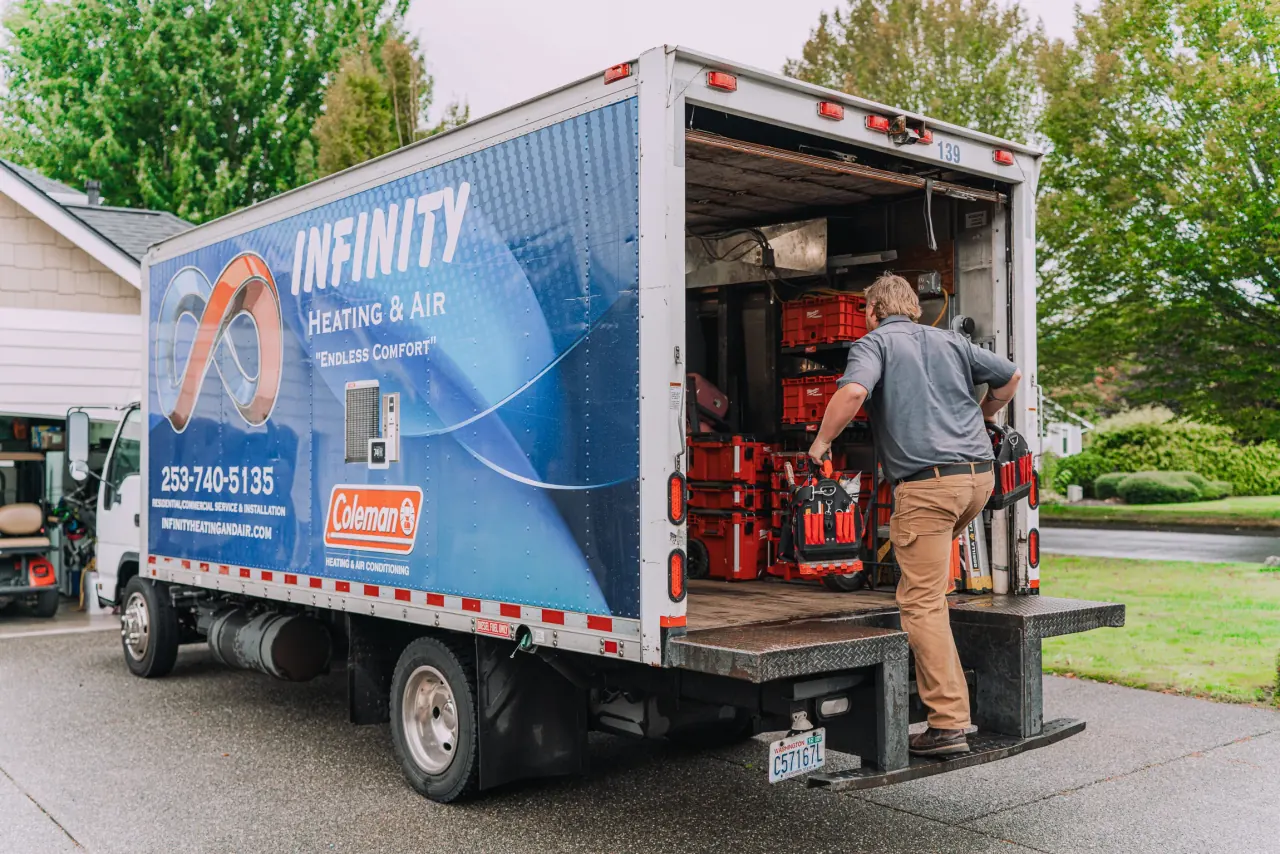
A typical pattern we see involves urgent requests when timelines are tight. For example, one Graham homeowner reached out to us during a recent fall transaction at 7:00 am because their furnace was not functioning properly, and the buyer was threatening to walk away. Our technicians were out the same morning, fixed the problem quickly, and even took the time to explain to the homeowner exactly how the unit works and what to document for the buyer. The furnace was repaired, the closing stayed on track, and the customer received valuable tips for longevity that they could pass along to the new owners.
This level of responsiveness showcases the value of relationship-driven HVAC service. A true partner treats the seller's deadline as their own, responding urgently to service a furnace, strap a water heater, and provide the exact official documentation the title company needs to move the sale across the finish line.
What to Expect from an Inspection-Clearing Tune-Up
If you have never had to schedule an addendum-clearing visit before, the process might seem daunting. Providing a clear, educational breakdown of what the technician will actually do helps alleviate the anxiety associated with satisfying the inspector's report. The primary goal of this visit is verifying safety, ensuring code compliance, and generating the official paperwork required to close the sale.
- Comprehensive Safety Verification: The technician begins by inspecting the heat exchanger for cracks, testing all safety limit switches, and verifying that the system safely vents combustion gases outside the home.
- Code Compliance Checks: The team will examine the water heater to ensure seismic straps are installed correctly and tightly secured to the structural framing, satisfying Washington state building codes.
- Performance Calibration: The technician will measure electrical amperage draws, check blower motor performance, and verify that the system is producing the correct temperature rise.
- Filter and Airflow Optimization: Any dirty filters are replaced, and the blower wheel is inspected to ensure the system is moving air efficiently without undue strain on the equipment.
- Official Documentation Generation: Finally, the technician provides a detailed, itemized invoice and service record that specifically addresses the items flagged in the buyer's inspection report.
Reassure yourself that this process is straightforward when handled by experts. In many cases, this visit can easily be combined with a routine AC maintenance tune-up to ensure both sides of your climate control system are fully documented and ready for the new homeowners.

Frequently Asked Questions About Home Inspection HVAC Addendums
Do I have to service my furnace before selling my house?
While it is not legally required to service your furnace before listing your house, buyers almost always request it if there is no recent service record available. Having the equipment tuned up beforehand prevents it from becoming a flagged item on the inspection report. Being proactive saves you from scrambling to find an available technician during the tight closing window.
What happens if the HVAC system fails a home inspection?
If the system fails, the buyer may request a closing credit, ask for a full replacement, or require professional servicing before the transaction can proceed. The buyer's lender will often pause financing until proof of repair is provided by a licensed contractor. Addressing the failure quickly with professional documentation usually keeps the deal from falling through.
Who pays for furnace repair after a home inspection?
The cost of repairs is typically a matter of negotiation between the buyer and the seller. However, sellers often pay for the tune-up or minor repairs to keep the buyer from walking away from the deal. Because a functioning heating system is a basic expectation of habitability, the burden of proving it works safely usually falls to the current homeowner.
Are seismic straps required for water heaters in WA?
Yes, Washington state building codes strictly mandate seismic strapping for water heaters to prevent them from tipping over during earthquakes. The straps must be installed in the upper and lower thirds of the tank and secured to the structural framing of the home. Home inspectors will automatically flag any tank that lacks this mandatory safety feature.
How quickly can an HVAC addendum be cleared?
With a responsive, relationship-driven contractor, the necessary servicing and documentation can often be completed within 24 to 48 hours. Real estate professionals know that time is of the essence, so finding a team that prioritizes urgent addendum calls is critical. Once the service is complete, the official invoice can be immediately sent to the title company to clear the flag.
Keep Your Closing on Track with Professional Support
An un-serviced furnace or a water heater missing its seismic straps does not have to ruin your home sale. While receiving a demanding inspection addendum is always stressful, these issues are incredibly common and fast to resolve when you have the right team on your side. The peace of mind that comes with handing a buyer official, professional documentation is well worth the quick service call. If you are facing a tight closing deadline and need your mechanical systems evaluated, documented, and brought up to code, reach out for professional support today to keep your transaction moving forward smoothly.
Written & reviewed by the Infinity Heating & Air team — licensed WA HVAC contractor (INFINHA841B8). Family-owned in Graham, answering 24/7 across the South Sound.
Choose Infinity & enjoy endless comfort.
Your perfect home environment awaits — call (253) 740-5135 or schedule service online and our team will take it from there.
Open 24/7 · 100% Satisfaction Guaranteed · Graham, WA