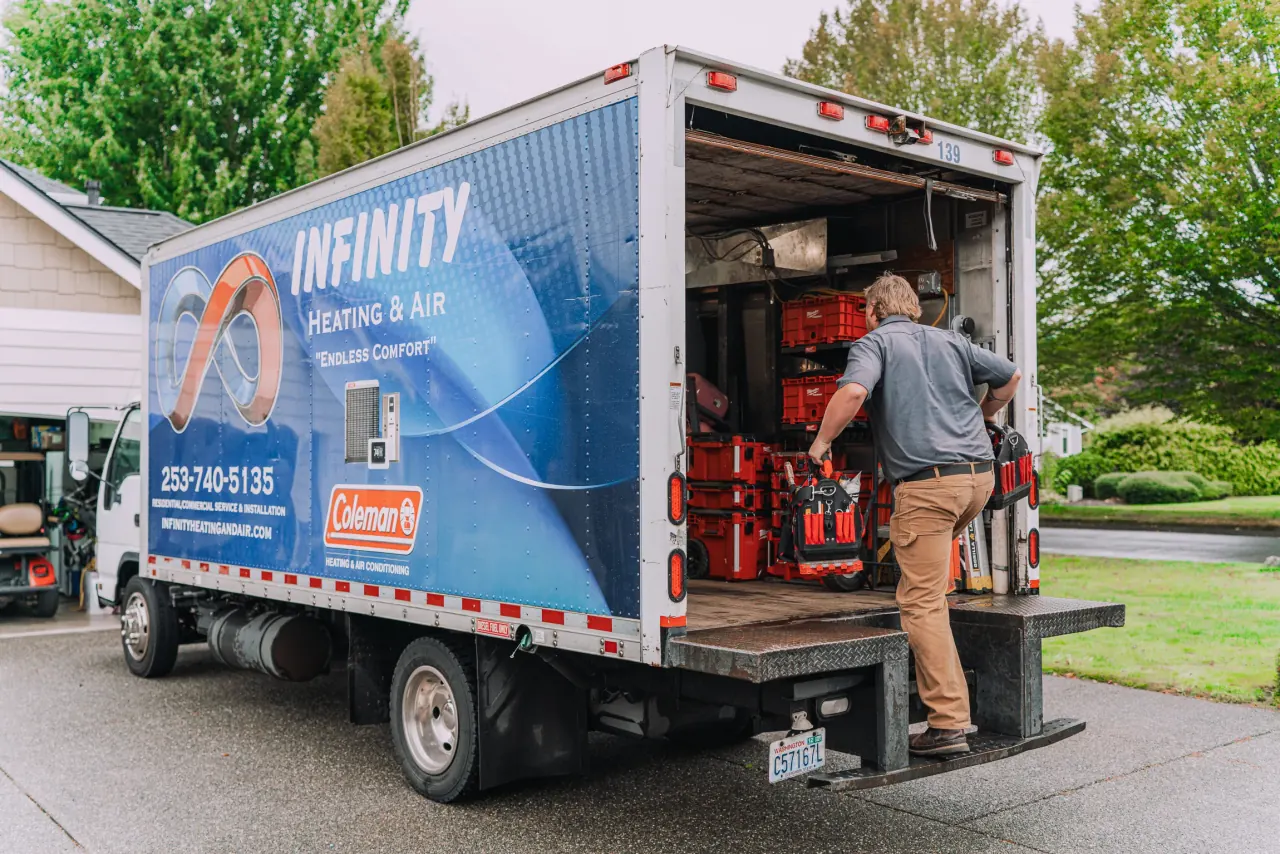
Why Test Heating System in Fall: Preventing Breakdowns Before Thanksgiving Guests Arrive
Wondering why test heating system in fall? Firing up a dormant furnace on the first freeze risks failure. See how early testing prevents holiday disasters.

The Hidden Risks of Waiting Until the First Freeze to Turn on the Heat
With November quickly approaching and pre-Thanksgiving preparations underway, many homeowners ask exactly why test heating system in fall rather than simply waiting for the first freezing night to arrive. The short answer is that sudden drops in late-autumn temperatures often catch households entirely off guard. When a furnace or heat pump sits dormant for six to eight months, dust settles on critical components, moving parts lose their lubrication, and electrical connections can loosen due to natural thermal expansion and contraction in the home. Firing up a system for the very first time during a deep freeze places immense strain on these components, rapidly revealing hidden mechanical failures that developed over the summer.
Discovering a broken heater just as family arrives for the holidays creates unnecessary stress, discomfort, and logistical chaos. A house full of guests expects a warm, welcoming environment, and a sudden equipment failure quickly turns a joyful gathering into a shivering emergency. Proactively verifying system operation weeks in advance allows ample time to schedule a comprehensive system inspection and testing before severe weather sets in. This early intervention ensures that any minor wear and tear is addressed while the weather is still relatively mild.
The Physical Toll on Dormant Equipment
Heating systems are complex machines that require regular movement and clean conditions to operate smoothly. When you skip a pre-season test, you force the equipment to go from zero to maximum capacity instantly. This sudden demand can cause weakened capacitors to blow, dry blower motor bearings to seize, and dirty flame sensors to fail, shutting the entire system down within minutes of startup. By testing the system proactively in early November, you allow the equipment to cycle gently under less extreme conditions, giving you a clear indicator of its health before the true winter cold demands continuous, round-the-clock operation.
Understanding the Local Autumn Weather Transition
Autumn weather in the Pacific Northwest can be highly unpredictable, quickly shifting from mild, sunlit afternoons to freezing, damp nights. In Graham, WA, the transition into November brings heavy autumn rainfall combined with rapidly dropping temperatures. This combination of moisture and cold makes indoor heating absolutely essential not just for comfort, but for preventing dampness from settling into the home's interior.
A reliable heating system acts as your first line of defense against these rapid temperature fluctuations. When the outdoor humidity spikes and the thermometer drops into the 30s, a functioning furnace works to remove that persistent chill and maintain a dry, comfortable indoor climate. Relying on our trusted local team at Infinity Heating & Air ensures your system is fully prepared for these specific regional climate demands. In our years of keeping Graham homes warm, we've seen exactly how the heavy November rains impact residential HVAC systems, from ventilation challenges to the increased workload placed on heat pumps during damp conditions.
How Changing Weather Impacts Home Comfort
To understand why an early test is so critical, it helps to look at how rapidly the local environment shifts during the fall months. The contrast between a mild October afternoon and a harsh November evening places unique demands on your home's thermal envelope.
| Weather Condition | Impact on the Home | HVAC System Requirement |
|---|---|---|
| Mild Autumn Afternoons (50s) | Minimal heat loss; home retains ambient warmth. | Short, infrequent heating cycles to maintain baseline temperature. |
| Heavy November Rainfall | Increased indoor dampness; air feels colder than the actual temperature. | Consistent airflow required to circulate dry, conditioned air throughout the house. |
| First Freezing Night (30s) | Rapid heat loss through windows and walls; high risk of freezing pipes. | Continuous, high-capacity operation to counteract severe outdoor cold. |
By understanding this transition, it becomes clear why waiting until that first freezing night is a gamble. The system must transition instantly from handling mild conditions to fighting off severe cold and dampness.
Safety First: Addressing Fire Risks and Carbon Monoxide Hazards
Beyond simple comfort, there are critical safety reasons for testing a dormant heating system early in the season. Heating equipment is a leading cause of home fires, particularly when peak heating season begins in late fall and early winter. Over the spring and summer months, dust, pet dander, and household debris accumulate heavily inside furnaces, on heat exchangers, and along baseboards.
When the system is ignited for the first time, this debris can create a strong burning smell and, in some cases, a genuine fire hazard. In fact, dusty baseboard heaters pose a fire risk when turned on in autumn if they haven't been properly cleared of combustible buildup. Testing the system early allows you to identify these smells and clear debris safely before running the unit unattended overnight.
Furthermore, gas furnaces carry the risk of carbon monoxide (CO) exposure. If a heat exchanger developed a microscopic crack during the previous winter, firing it up without an inspection can leak dangerous, odorless carbon monoxide directly into your living space. Pre-season testing verifies that all safety switches, exhaust flues, and ventilation systems are operating flawlessly. Our team's commitment to homeowner safety over quick fixes means ensuring that every component is thoroughly vetted so you can sleep soundly knowing your family is protected.
Essential Safety Checks During Startup
When a system is tested, several critical safety mechanisms must engage perfectly to prevent hazards:
- Limit switches: These sensors prevent the furnace from overheating by shutting off the burner if internal temperatures rise too high.
- Flame sensors: This component ensures that gas is only flowing when a flame is actively present, preventing raw gas from filling the home.
- Draft safeguards: For gas systems, proper drafting ensures that all combustion byproducts are safely vented out of the roof or side of the house.
- Electrical breakers: Testing verifies that the system is not pulling excess amperage, which could lead to tripped breakers or electrical fires.

Avoiding the Holiday Hosting Nightmare
Hosting family and friends for Thanksgiving requires a comfortable, welcoming environment. You plan the menu, prepare the guest rooms, and organize the schedule, but the entire experience relies on the foundational comfort of a warm home. Heating systems naturally work their hardest during cold snaps, which frequently coincide with major holiday gatherings in late November and December.
A sudden heating breakdown with a house full of guests instantly transforms a joyful celebration into a stressful emergency. Instead of enjoying time with family, you are left scrambling to find space heaters, handing out extra blankets, and frantically calling around for available technicians. Early testing acts as "event insurance," guaranteeing peace of mind when visitors arrive.
The urgency of preparing a home for important events is a pattern we see often. For example, our team recently helped a local homeowner who experienced this specific type of time crunch when they needed a complete furnace service and maintenance check for a time-sensitive house sale inspection. We responded the same day, ensuring the furnace was fully maintained and the water heater was successfully strapped in to meet strict requirements. That exact same level of urgency applies to Thanksgiving preparations. Just as a home inspector requires a flawless system, your arriving guests require a reliable, warm environment. Testing the system weeks in advance ensures that if a repair is needed, it can be handled calmly and efficiently long before the doorbell rings.
The Impact of Increased Household Activity
Having extra people in the home changes the dynamic of your HVAC system. More guests mean doors are opening and closing more frequently, letting cold air inside. Ovens and stoves are running, creating localized heat that can confuse older thermostats. A poorly maintained system will struggle to balance these temperature fluctuations, leading to hot and cold spots throughout the house. By verifying the system's operation in early fall, you ensure it has the capacity to handle the unpredictable demands of holiday hosting.
Beating the Winter Rush for HVAC Technicians
The logistical reality of the HVAC industry is that the first major freeze of the year always triggers a massive spike in emergency service calls. When temperatures plummet, hundreds of untested systems fail simultaneously across the region. Wait times for technicians, which are normally just a few hours, can suddenly stretch into days during these peak winter surges.
Scheduling a fall checkup ensures prompt attention and flexible booking times that fit your schedule, rather than forcing you to take time off work to wait for an emergency dispatch. If a minor issue is discovered during an early test, there is ample time to secure Graham HVAC repair services before the true winter freeze sets in. You get the parts ordered, the repairs completed, and the system restored without ever having to shiver through a freezing night.
Relying on emergency availability is always a risk. During a previous winter, one of our customers faced a sudden heating emergency on an icy day when service schedules were already completely overloaded. While our technicians managed to add them to the busy roster and professionally resolved the issue, avoiding that stressful situation entirely is always the better path. Testing in November keeps you out of the emergency queue and firmly in control of your home's maintenance schedule.
Why Parts Take Longer During Peak Season
Another factor to consider is the supply chain. When everyone's furnace breaks down in the same week, local supply houses rapidly run out of common parts like ignitors, blower motors, and control boards. If your system fails in mid-December and requires a specific replacement part, you might be forced to wait for shipping. Testing in early November means that even if a part needs to be ordered, it will arrive and be installed well before the holiday cold sets in.
Protecting Energy Efficiency and Managing Winter Bills
Beyond safety and comfort, there are significant financial benefits to early testing and proactive maintenance. According to Department of Energy guidelines, unmaintained heating systems can lose up to 5% of their efficiency annually. When dust coats the blower motor, or when a clogged filter restricts airflow, the system has to run longer and harder to produce the same amount of heat.
A struggling system consumes substantially more electricity or gas, directly driving up your winter utility costs. Testing early helps identify these airflow restrictions, failing motors, and dirty burners that waste energy. Following up a successful test with a seasonal maintenance tune-up restores peak efficiency, ensuring that every unit of energy you pay for is actually converted into usable heat for your home.
Ignoring efficiency drops can lead to catastrophic failures when the system is pushed to its limit. We saw another homeowner find out the hard way when their furnace burned out completely during a week of below-freezing winter temperatures in February. Our crew had to quickly install a completely new furnace, thermostat, and heat pump to restore warmth. Catching efficiency issues early prevents the kind of severe strain that leads to total system burnout, protecting your investment and keeping your monthly bills manageable.
Where Efficiency Drops Occur
Efficiency loss doesn't happen all at once; it is a gradual process caused by several compounding factors:
- Restricted Airflow: A dirty air filter forces the blower motor to work twice as hard to push air through the ductwork.
- Friction: Unlubricated moving parts create resistance, drawing more electrical current to achieve the same rotation speed.
- Soot Buildup: In gas furnaces, a dirty burner or heat exchanger prevents heat from transferring efficiently into the passing air, sending wasted heat straight up the exhaust flue.
- Thermostat Drift: An uncalibrated thermostat may cause the system to run longer than necessary, overshooting the target temperature and wasting fuel.
What Happens During a Professional Early Fall Assessment?
While homeowners can turn on the thermostat to verify that warm air comes out of the vents, a professional pre-winter test goes much deeper into the mechanical and electrical health of the system. Our technicians follow a rigorous, step-by-step protocol to ensure the equipment is safe, efficient, and ready for months of continuous use.
Here is a high-level overview of what a professional technician evaluates during a fall heating assessment:
- Electrical Connection Inspection: Technicians inspect and tighten all electrical connections. Loose wires increase electrical resistance, which can cause components to overheat, leading to shorts and sudden system failures.
- Safety Control Verification: Safety controls and limit switches are rigorously tested to ensure the system will shut down appropriately if a fault occurs. This is a critical step for preventing overheating and fire hazards.
- Thermostat Calibration: The thermostat is tested and calibrated to ensure accurate temperature reading and flawless communication with the heating equipment. A properly calibrated thermostat prevents short-cycling and energy waste.
- Combustion and Airflow Evaluation: Burners, pilot lights, and heat exchangers are evaluated for safe, clean operation. For heat pumps, the technician checks the refrigerant charge and the defrost cycle to ensure the outdoor unit won't freeze over during a damp November night.
- Moving Parts Lubrication: Motors, bearings, and fans are checked and lubricated to reduce friction, lower electrical consumption, and prevent premature wear and tear.
This comprehensive approach ensures that every aspect of the system is prepared for the heavy lifting of the winter season, drastically reducing the chances of an unexpected breakdown when you need the heat the most.
Frequently Asked Questions
When should I turn my heat on in the fall?
You should turn your heat on for a test run in early to mid-fall, long before the first freezing night arrives. In regions like Graham, WA, early November is the latest you should wait to verify operation. Testing when the weather is still mild allows you to catch any strange noises, smells, or failures without the immediate pressure of a freezing house, giving you plenty of time to schedule any necessary repairs.
How do I test my heating system before winter?
The safest way to test your system is to switch your thermostat to "Heat" and raise the temperature a few degrees above the current room temperature. Listen closely for any grinding or squealing noises as the unit starts, and check the vents to ensure warm air is flowing steadily. While this confirms basic operation, you should still rely on a licensed technician to perform a deeper mechanical and safety assessment to ensure the system can handle a full winter workload.
Why does my heater smell like burning dust when first turned on?
A burning dust smell is incredibly common and usually happens because dust and debris have settled on the heat exchanger or heating elements over the summer. When the system fires up, this dust burns off, creating a distinct odor that should dissipate within 15 to 30 minutes. However, if the smell persists, smells like electrical wire, or triggers your smoke alarms, shut the system down immediately and call a professional, as it could indicate a serious fire hazard.
What happens if I don't service my furnace before winter?
Skipping pre-winter service forces your furnace to operate with dirty components, restricted airflow, and potential hidden mechanical flaws. This neglect leads to a loss of energy efficiency, resulting in higher utility bills as the system works harder to heat the home. More importantly, it dramatically increases the risk of a sudden, catastrophic breakdown during a cold snap, leaving you without heat when local technicians are experiencing their highest volume of emergency calls.
How often should a home heating system be checked by a professional?
A home heating system should be professionally checked and tuned up at least once a year, ideally in the fall before peak heating season begins. If you have a heat pump that both heats and cools your home, it should be checked twice a year—once in the spring for the cooling cycle and once in the fall for the heating cycle. Annual checks maintain your manufacturer's warranty, ensure safe operation, and keep the system running at maximum efficiency.
Can an early fall checkup really prevent unexpected holiday heating breakdowns?
Yes, an early fall checkup is one of the most effective ways to prevent holiday heating disasters. Technicians can spot failing capacitors, worn belts, and dirty sensors that are on the verge of breaking. By replacing these weakened parts in November, you eliminate the weak links in your system, ensuring it can handle the extra strain of freezing temperatures and a house full of Thanksgiving guests without failing.
Secure Your Holiday Comfort Today
Don't let a sudden furnace failure ruin your Thanksgiving gathering or leave your family shivering through the first freezing night of the year. Proactively testing your system in November guarantees a warm, welcoming home for your guests and protects your equipment from severe winter strain. Schedule your early fall checkup today to ensure reliable, safe comfort all season long.
Written & reviewed by the Infinity Heating & Air team — licensed WA HVAC contractor (INFINHA841B8). Family-owned in Graham, answering 24/7 across the South Sound.
Choose Infinity & enjoy endless comfort.
Your perfect home environment awaits — call (253) 740-5135 or schedule service online and our team will take it from there.
Open 24/7 · 100% Satisfaction Guaranteed · Graham, WA