The Definitive Guide to Do Maintenance Plans Save Money
Discover whether do maintenance plans save money with this guide comparing HVAC and auto service agreements to pay-as-you-go repairs.
.webp)

Do Maintenance Plans Actually Save You Money? Here's the Short Answer
Do maintenance plans save money — and for most homeowners and vehicle owners, the answer is yes. But the real value depends on your system, how you pay for the plan, and what the fine print actually covers.
Here's a quick breakdown before we dig into the details:
Maintenance plans tend to save money when:
- Your system or vehicle is 3–15 years old
- You use all the included services before the plan expires
- You pay for the plan upfront (not financed with interest)
- The plan includes repair discounts and priority service
- You live or drive far enough that emergency service calls are expensive
Maintenance plans may not save money when:
- Your equipment is brand new and still under a full manufacturer warranty
- You are a capable DIYer who already performs most routine tasks
- You rarely use the system or vehicle
- The plan is rolled into a loan and you end up paying interest on it
- The servicing location is too far away to be practical
The core idea is simple: catching a small problem early costs far less than fixing a big one later. A failing capacitor caught during a routine tune-up is a minor repair. The same problem left alone can burn out a motor or compressor — costing ten times more to fix.
Research backs this up. Well-maintained HVAC systems last 15–18 years on average. Neglected ones often fail within 9–12 years. Regular tune-ups can also reduce energy use by up to 15%, which adds up fast on your monthly utility bills in a Northwest Washington climate where your heating and cooling system works hard year-round.
The question isn't really if maintenance saves money — it's whether a prepaid plan is the smartest way to get that maintenance done.

The Financial Math: Do Maintenance Plans Save Money Compared to Pay-As-You-Go?
To truly understand if a plan makes financial sense, we have to look closely at the math. Many homeowners view maintenance agreements as an unnecessary recurring subscription. However, when you compare the cumulative cost of pay-as-you-go services to a structured plan, the financial picture changes completely.
First, let's look at standalone service rates. When you call for a single, one-off seasonal tune-up, you pay the full individual service rate. If you want your heating system checked in the fall and your cooling system checked in the spring, you are paying that full rate twice. A structured agreement bundles these visits together, immediately lowering the per-visit cost. You can read more about how this works in our article on Annual HVAC Maintenance Is It Worth It.
Second, maintenance plans act as an excellent inflation hedge. Labor rates, fuel costs, and parts prices naturally rise over time. When you sign up for a recurring comfort agreement, you lock in current rates and protect yourself against future price hikes.
Finally, we must factor in the "neglect penalty." Skipping routine care doesn't just save you the cost of a tune-up; it actively drains your wallet through hidden inefficiencies and premature component failures. We detail these compounding expenses in our guide on The True Cost of Neglecting HVAC Maintenance. When your system works harder than it needs to, it consumes more fuel or electricity, leading to higher monthly bills that far outweigh the cost of a preventative plan.
How to calculate if home comfort agreements and do maintenance plans save money
Calculating your potential return on investment (ROI) requires looking at three distinct buckets of savings: energy efficiency, repair prevention, and equipment lifespan.
- Energy Efficiency: A neglected heating and cooling system loses roughly 5% of its operating efficiency every year it goes without professional service. When dust coats your coils and electrical connections loosen, the system has to run longer to keep your home comfortable. By keeping your system clean and calibrated, you prevent this efficiency drop, directly lowering your monthly utility bills.
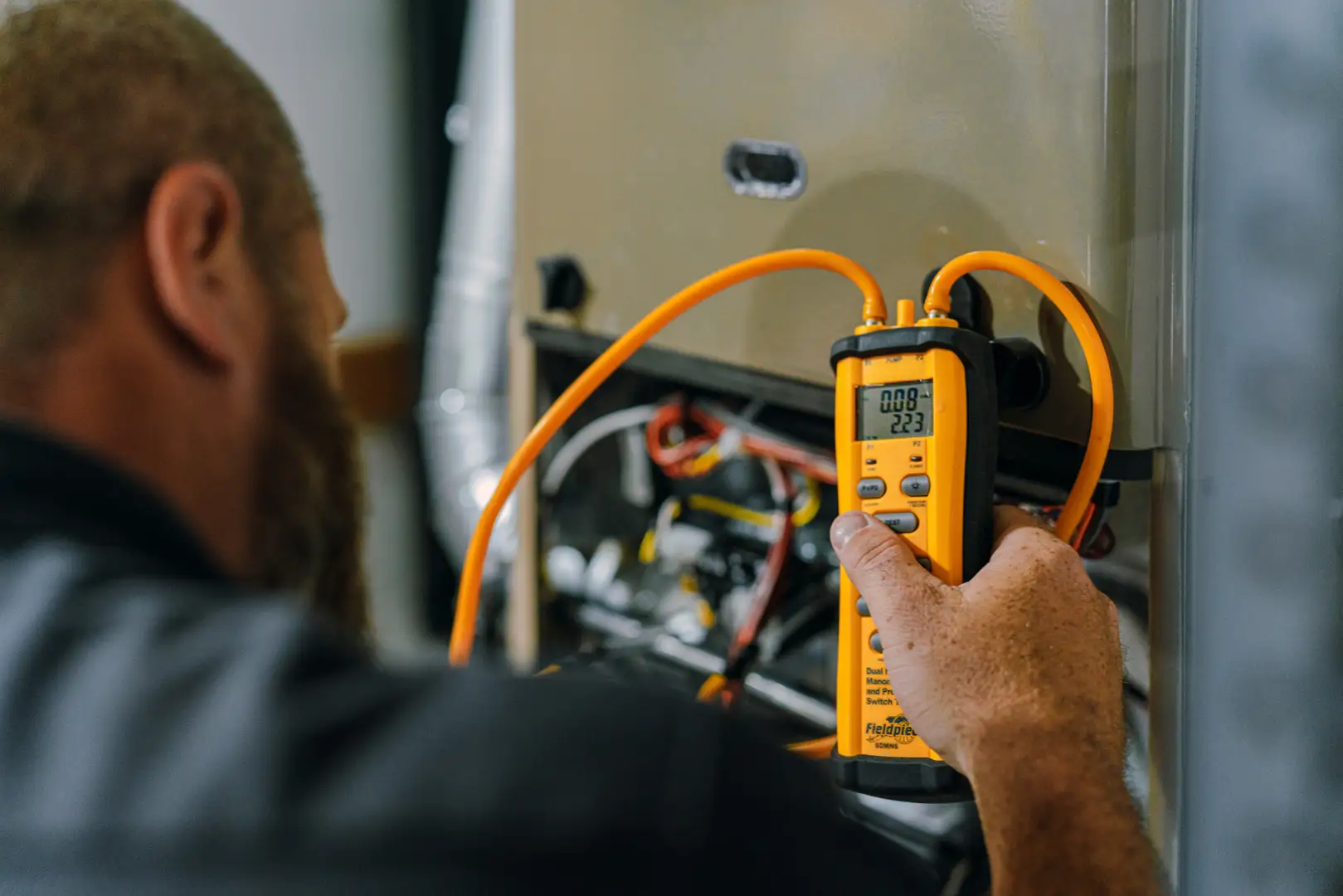
- Repair Prevention: During a professional inspection, technicians perform key diagnostic tasks that prevent major system meltdowns. To understand what goes on behind the scenes, check out our breakdown of What Does an HVAC Maintenance Visit Include. Catching a small issue like a worn contactor during a scheduled visit prevents it from damaging your expensive compressor or blower motor later.
- Equipment Lifespan: Replacing an entire HVAC system is one of the most significant investments you will make in your home. If a well-maintained system lasts 15 to 20 years, but a neglected one fails in just 10, the annual cost of ownership sky-rockets. Extending the life of your system by even three to five years saves you thousands of dollars by delaying a major replacement.
This calculation is especially relevant in our unique climate. The Benefits of Regular HVAC Maintenance in Pacific Northwest Mild Wet weather are distinct; our high humidity and damp winters put unique stresses on heat pumps and furnaces, making preventative checks even more financially impactful.
Do maintenance plans save money when comparing prepaid vehicle service to extended warranties?
It is common to confuse prepaid maintenance plans with extended warranties, but they serve entirely different financial purposes.
A prepaid maintenance plan covers predictable, scheduled services that your vehicle or home comfort system will need over time. For a car, this includes oil changes, tire rotations, and fluid flushes. For an HVAC system, it covers seasonal safety checks, coil cleaning, and electrical testing. You are essentially paying for guaranteed upkeep in advance, usually at a discounted rate.
An extended warranty, on the other hand, is an insurance policy against unpredictable mechanical breakdowns. It does not cover routine wear-and-tear items. If your car's transmission fails or your home's heat exchanger cracks unexpectedly, the warranty steps in to cover the repair. However, if you fail to perform scheduled maintenance, the warranty provider can—and often will—deny your claim.
| Feature | Prepaid Maintenance Plan | Extended Warranty |
|---|---|---|
| Primary Purpose | Routine, scheduled upkeep and prevention | Insurance against unexpected breakdowns |
| What It Covers | Filters, fluid checks, cleanings, rotations | Major component failures (motors, engines, compressors) |
| Predictability | 100% predictable (based on calendar/mileage) | Unpredictable (accidental failures) |
| Warranty Impact | Validates and protects your manufacturer warranty | Requires proof of maintenance to honor claims |
| Discounts | Often includes discounts on non-covered repairs | Covers 100% of qualified repairs after deductible |
Evaluating Prepaid Car Maintenance Plans: Coverage, Exclusions, and Brand Value
Just like home comfort plans, the automotive world heavily utilizes prepaid service agreements. When you buy a vehicle, the dealership’s finance manager will almost certainly pitch a prepaid maintenance plan. Understanding how these plans operate can help you determine if they are worth the investment.
Prepaid car maintenance plans generally cover the basic services outlined in your vehicle's owner's manual. This typically includes:
- Engine oil and filter changes
- Tire rotations and pressure checks
- Cabin and engine air filter replacements
- Brake fluid, coolant, and windshield washer fluid top-offs
- Multi-point safety inspections
However, it is crucial to understand what these plans exclude. They almost never cover wear-and-tear items that wear down at unpredictable rates depending on your driving habits. You will still have to pay out of pocket for:
- New tires and wheel alignments
- Brake pads and rotors
- Windshield wiper blades
- Spark plugs (unless specifically noted in a premium plan)
- Belts and hoses
If you assume a prepaid plan covers everything your car needs to run smoothly, you may face an unexpected bill at the service counter.
Value across different brands and vehicle types
The actual financial value of a prepaid vehicle plan varies wildly depending on the manufacturer and whether the car is new or used.
- Toyota: Known for "ToyotaCare," which provides complimentary scheduled maintenance for the first two years or 25,000 miles. Extending this plan through "ToyotaCare Plus" can make financial sense because Toyota parts and services are highly standardized, making the prepaid discount easy to calculate.
- BMW: BMW includes scheduled maintenance on new vehicles for three years or 36,000 miles. Because luxury vehicle service rates are traditionally very high, upgrading or extending these factory-backed plans often yields significant savings compared to paying for individual services à la carte.
- Audi: Audi offers plans that extend coverage up to 120,000 miles. Because Audi vehicles require specialized synthetic oils, specific diagnostic tools, and precise schedule intervals, pre-paying for these services can protect you from premium European auto shop labor rates.
- Nissan: Nissan's basic plans often cover up to three oil changes within the first two years or 24,000 miles. Because standard maintenance on these vehicles is relatively inexpensive, the financial benefit of prepaying is minimal compared to luxury brands.
For used cars, third-party prepaid plans are rarely worth the cost unless you can verify that the contract is honored at any certified shop and uses genuine Original Equipment Manufacturer (OEM) parts.
Hidden costs and financing pitfalls of auto service agreements
The biggest financial trap with prepaid car maintenance plans occurs during the buying process. If you agree to a maintenance plan while sitting in the dealership's finance office, the cost is often rolled directly into your auto loan.
When you bundle a service agreement into your financing, you pay interest on your maintenance. Over a five- or six-year loan, the compounding interest can easily wipe out any upfront discounts the plan offered. If you decide to purchase a vehicle maintenance plan, always pay for it separately upfront with cash or a credit card to avoid interest charges.
Additionally, pay close attention to service location restrictions. Many dealer-specific plans require you to bring the car back to the exact dealership where you bought it. If you move, commute long distances, or the dealership goes out of business, your prepaid plan becomes useless. Factory-backed plans are much safer because they are honored at any authorized dealership nationwide.
Key Factors to Evaluate Before Buying Any Maintenance Agreement
Whether you are looking at a home comfort agreement or an automotive plan, you should never sign a contract without evaluating several key operational factors.
First, look at transferability. If you sell your home or your car before the agreement expires, can you transfer the remaining balance to the new owner? A fully transferable plan is a fantastic selling point. In the real estate market, showing prospective buyers a documented history of professional HVAC care under an active agreement can boost your home's perceived value and speed up the sale.
Second, understand the cancellation policies and contract terms. Are you locked into a multi-year commitment, or can you cancel the plan with a simple notice if you are unhappy with the service? Ideally, you want a plan that offers annual renewals or easy monthly payment options with no long-term exit penalties.
To help you navigate these decisions for your home, review our comprehensive HVAC Maintenance Plan Guide 2026. It outlines what a modern, consumer-friendly agreement should look like, helping you select a plan that keeps your best interests in mind. For a broader look at the structural benefits of these programs, you can also explore the advantages of a dedicated HVAC Service Plan.
When a prepaid plan might not be worth the investment
While maintenance plans generally save money, they are not a one-size-fits-all solution. There are several scenarios where prepaying for service is a poor financial decision:
- Capable DIY Owners: If you have the tools, time, and expertise to safely clean your own system coils, check electrical draw with a multimeter, and manage your own upkeep, a professional plan offers less value. However, keep in mind that certain tasks, like refrigerant handling, require EPA certification and cannot be legally or safely performed by homeowners.
- Remote Locations: If you live far away from the service provider's primary service area, trip charges or travel fees may eat into your savings. Always choose a provider with a strong local presence in your specific town.
- Brand-New Systems: In the first year or two, a brand-new heating or cooling system is highly unlikely to suffer a major breakdown. However, you must be careful here: skipping professional service entirely can void your manufacturer's parts warranty. For guidance on balancing this, see our advice on How Often Should You Service Your HVAC.
- Low-Use Equipment: If you own a vacation cabin or a property that sits empty for most of the year, your systems undergo very little wear and tear. In these cases, paying for bi-annual professional tune-ups might exceed the actual wear-and-tear depreciation of the equipment.
Frequently Asked Questions About Maintenance Plans
What is the difference between a maintenance plan and an extended warranty?
A maintenance plan covers scheduled, preventative care (like cleanings, safety inspections, and system calibrations) to keep your equipment running efficiently and prevent wear. An extended warranty is an insurance policy that covers the cost of repairing or replacing major components (like a compressor or heat exchanger) if they fail unexpectedly due to defects or mechanical breakdown.
Can I perform system maintenance myself to save money?
Homeowners can easily handle basic tasks like replacing air filters every 30 to 90 days and keeping the area around outdoor condenser units clear of weeds and debris. However, professional diagnostics require specialized tools and training. Technicians test electrical draw, check for dangerous carbon monoxide leaks, measure refrigerant pressures, and clear condensate lines.
Furthermore, major manufacturers require documented professional maintenance to keep your parts warranty valid. Attempting to service complex electrical or gas components yourself can void this warranty and compromise your home's safety. To learn more about preventing issues safely, read our guide on How to Prevent HVAC Emergencies with Maintenance.
Can I transfer my maintenance plan if I sell my home or car?
In most cases, yes! High-quality maintenance plans are tied to the property or the vehicle identification number (VIN), rather than the individual owner. This means the remaining coverage transfers seamlessly to the new buyer, serving as an excellent incentive that proves you have taken meticulous care of your investment. Always check the fine print of your specific agreement to confirm if there are any transfer fees or quick forms to submit.
Conclusion
When you look past the surface of monthly or annual subscription fees, the financial math is clear: proactive protection is the most reliable path to long-term savings. By preventing catastrophic system failures, maintaining peak energy efficiency, and protecting your manufacturer warranties, a structured agreement pays for itself many times over.
At Infinity Heating & Air, we are proud to serve homeowners across Northwest Washington—from Puyallup and Tacoma to Lacey, Olympia, and beyond. We design our maintenance agreements to provide maximum value, offering thorough safety inspections, priority scheduling, and valuable repair discounts that give you complete peace of mind.
Ready to protect your home comfort and start saving? Explore our comprehensive Maintenance Plan options today, and let our expert team keep your home running smoothly all year round!
Endless Comfort
Starts Here
Our expert technicians are ready to serve you and your home.